Orthognathic Surgery by Type

Reface’s Personalized Orthognathic Surgery for Each Facial Type

"What is your
Facial Type?"

Orthognathic surgery should not be performed the same way for every patient.
Reface offers tailored surgery
according to face type.

Orthognathic surgery is a specialized treatment
that simultaneously achieves facial form improvement
and functional occlusion restoration.
Reface Dental Hospital offers precisely
tailored surgical plans based on
each patient's unique anatomical features,
providing fully customized orthognathic surgery.

Prognathism

Micrognathia

Long face

Facial asymmetry

3D Multi-Piece

No compromises—safety, precision, function, and beauty,
all delivered together! ReFace's Exclusive
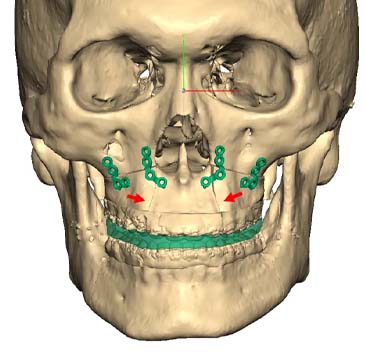
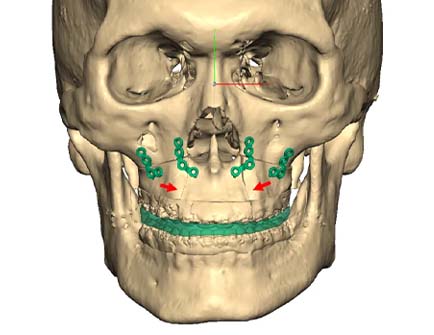
3D Multi-Piece Orthognathic Surgery

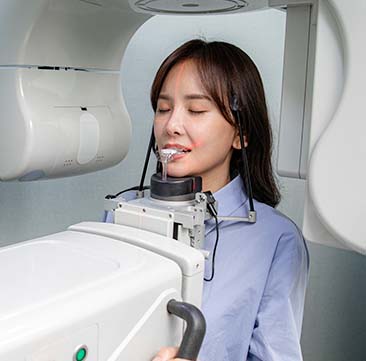
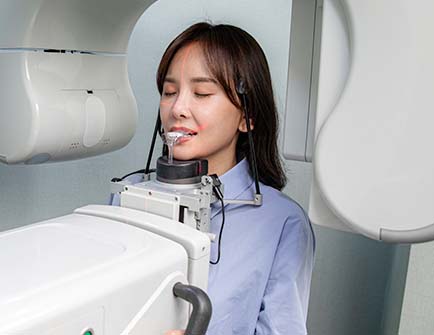
3D Facial Analysis

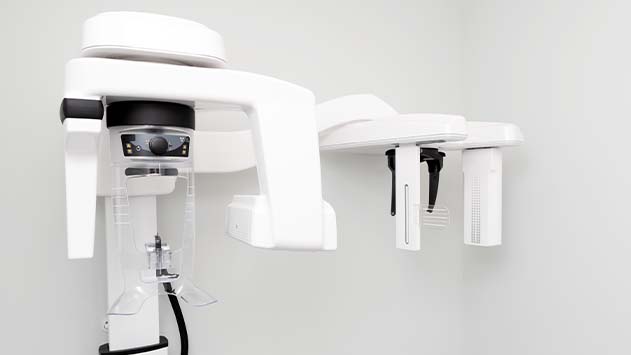
A 3D CT scan is conducted prior to surgery to accurately evaluate the lower facial skeleton from frontal and lateral views.

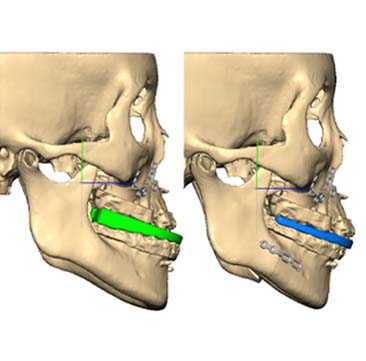
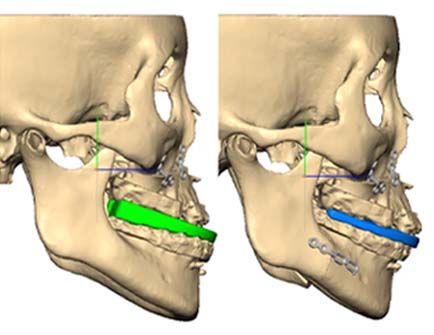
3D Simulation

3D simulation enables intuitive visualization of changes to the maxilla and mandible, guiding accurate surgical planning.

Multi-Piece Surgical Method

The maxilla is repositioned using a multi-piece approach, achieving stable dental occlusion that also accounts
for the functional aspects of the jaw and teeth.

Straightening period

Perfect Harmony of Surgery and Orthodontics,
At Reface, surgery and orthodontics are perfectly synchronized,
reducing the need for prolonged
post-surgical braces

Orthognathic surgery is more than just bone repositioning;
postoperative tooth movement and changes in occlusion must be considered.
From the very beginning of surgical planning, Reface Dental Hospital ensures procedures are designed
to shorten the post-surgical orthodontic period.
Through this, postoperative orthodontics are coordinated to be minimal,
helping patients return to daily life quickly.

Typical double-jaw surgery plan Takes about 2 years

Orthodontics before surgery
Double
jaw surgery
Orthodontics after surgery
6–12 months
12 months

ReFace after bimaxillary surgery Around 6 months to 1 year

 
Double-jaw
surgery
Postoperative orthodontics
6–12 months
A to Z

A to Z Type-by-Type Jaw Surgery

  • Prognathism
  • Micrognathia
  • Long face
  • Facial asymmetry

  • What is prognathism?

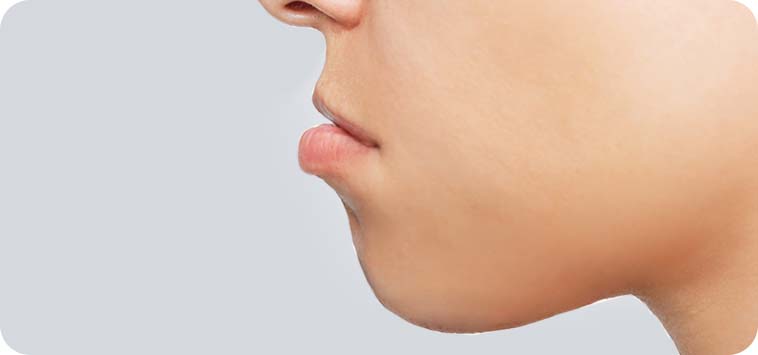
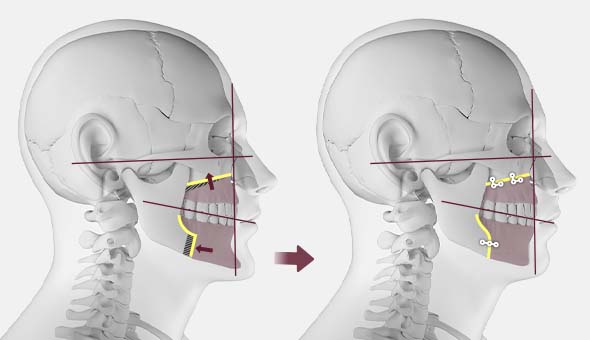
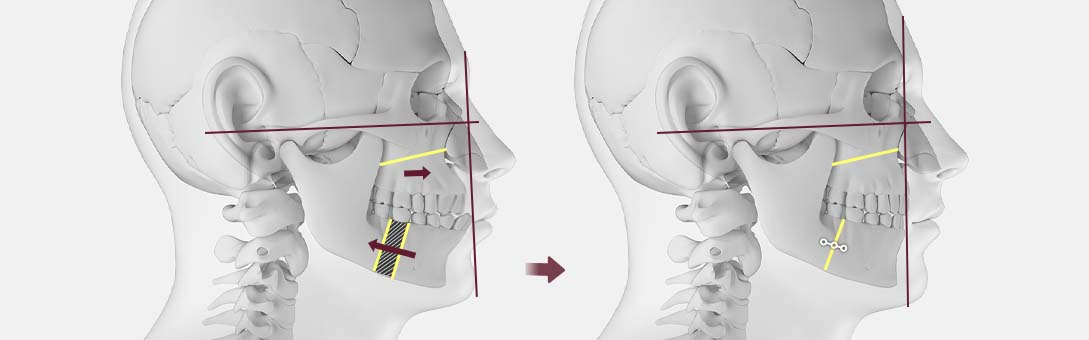
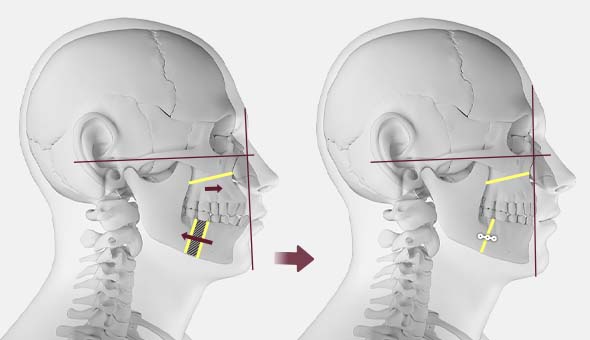
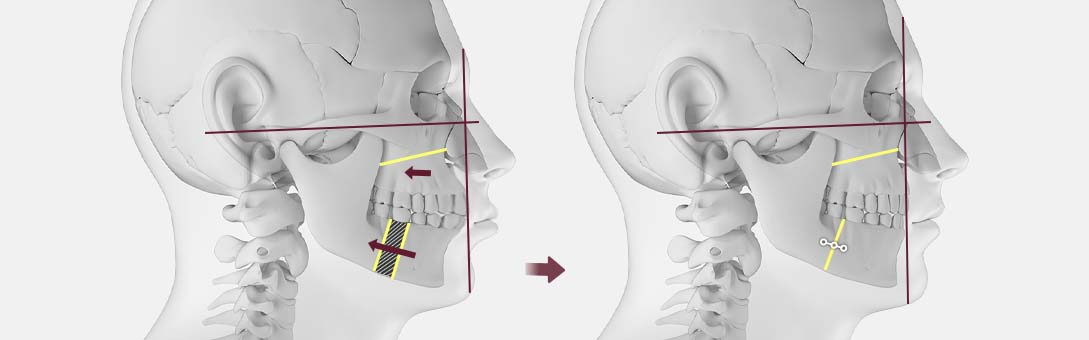
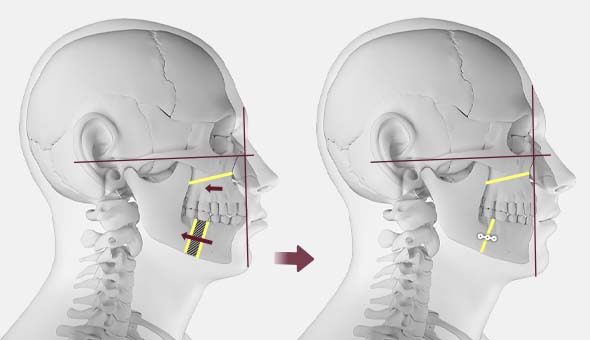
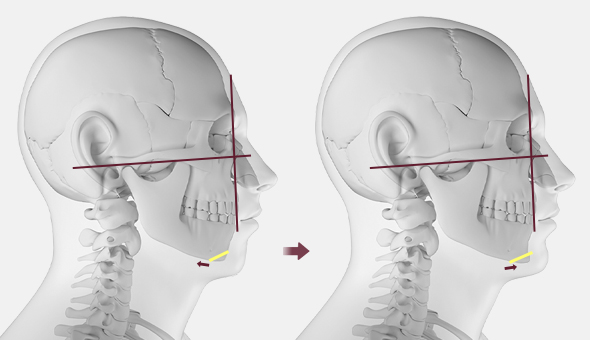
    Prognathism is when a lower jaw is relatively protruded compared to an upper jaw, causing the mouth and jaw to extend forward.
    The dental midline may not align, or the face may appear asymmetrical, and in severe cases it can be accompanied by functional problems such as temporomandibular joint disorders, headaches, chewing difficulties, and speech impairment, making surgical correction necessary.

    Types of Prognathism Surgery
    Method 01

    Prognathism with Only the Chin Protruding

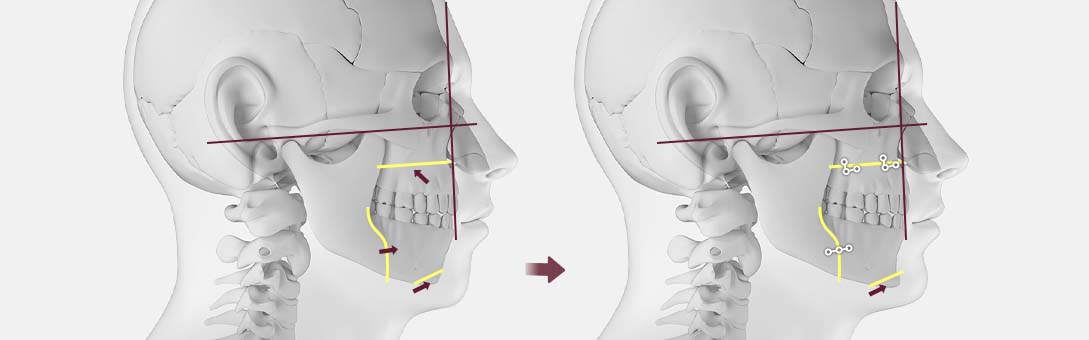
    This is when the bite is normal but only the chin juts out. Only the chin area is
    osteotomized to reshape the overgrown chin tip. In some cases, part of the mandible is cut and moved backward to achieve proper alignment.

    Method 02

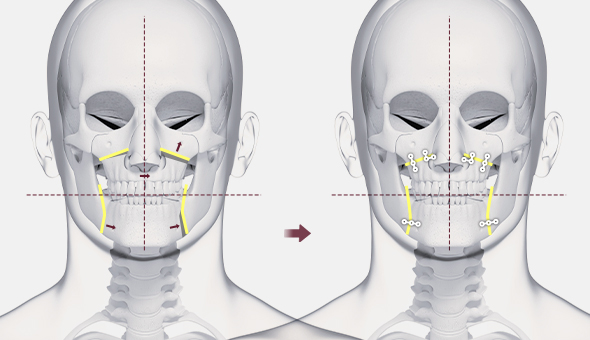
    Protruding Jaw (prognathism)

    This is a typical prognathism accompanied by malocclusion.
    Both the maxilla and mandible are osteotomized and repositioned to achieve aesthetic improvement while
    simultaneously restoring dental function.

    Method 03

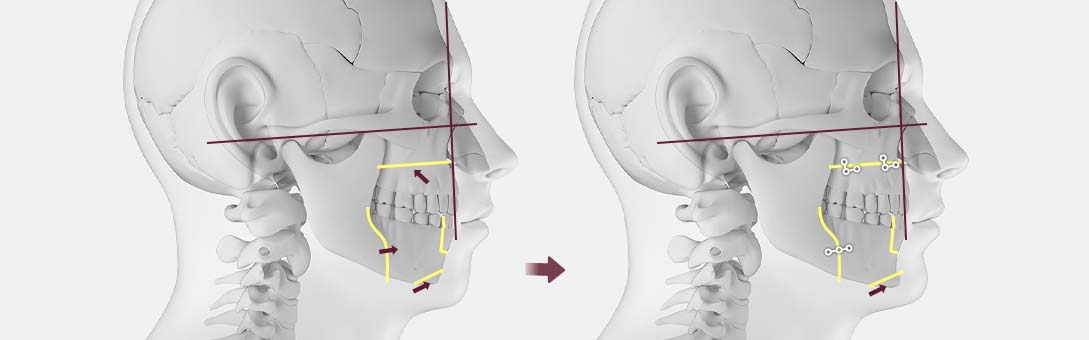
    Protruding Mouth Prognathism

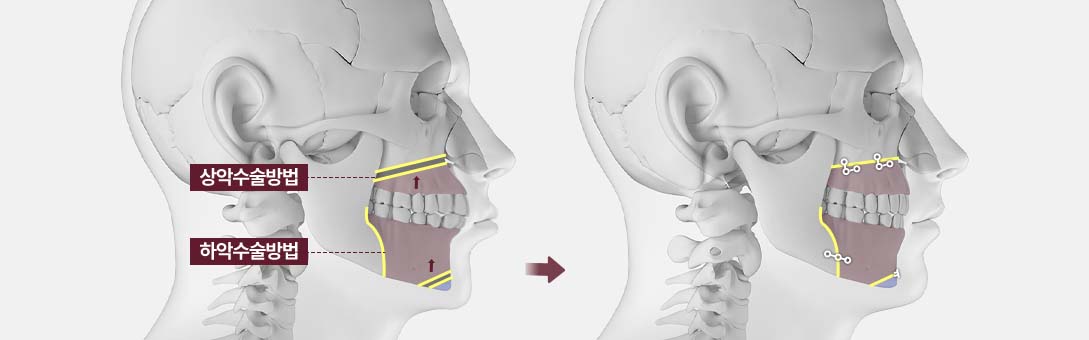
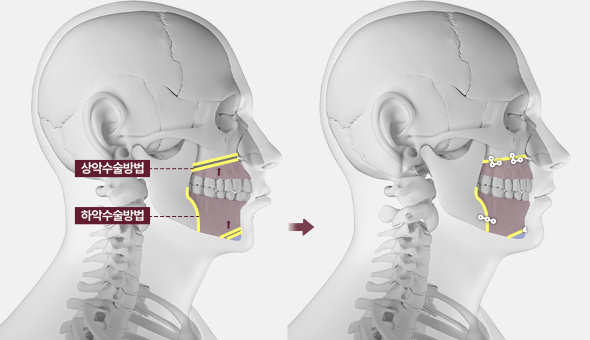
    This is a case where not only the lower jaw but the entire mouth is protruding forward. Both the maxilla and mandible are osteotomized and moved to the correct positions. If necessary, a Multi-Piece Surgical Method divides the maxilla or mandible into several segments so each can be precisely adjusted and moved into the correct position.

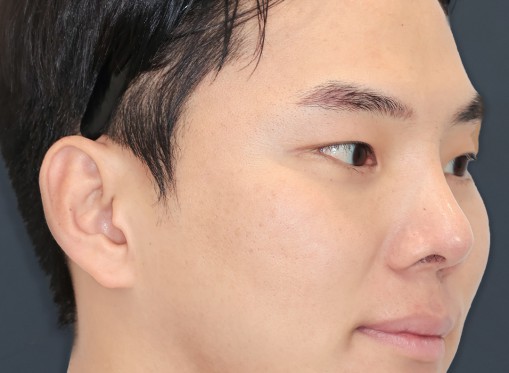
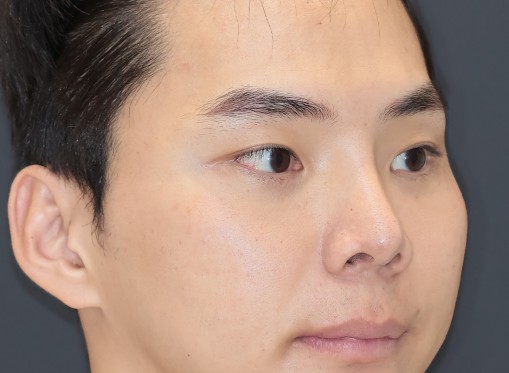
    Before & After
    Orthognathic Surgery: Type-by-Type Before & After
    Prognathism Surgery Procedure
    • Procedure 01

      Initial consultation and preoperative examinations

      After a precise one-on-one consultation and finalizing the treatment plan Provisional booking of the surgery date and preoperative examinations

    • Procedure 02

      3D Simulation And Establishment Of The Surgical Plan

      3D CT scanning and simulation is conducted, followed by a detailed consultation with the director The surgical approach tailored to a patient is determined

    • Procedure 03

      Surgery Procedure

      Fasting and admission according to instructions is a must. Surgical Preparation And Operation

    • Procedure 04

      Follow-Up After Discharge

      Discharge 2–3 days after surgery depending on progress, Weekly follow-up after discharge; additional corrective treatment if necessary

    • Procedure 05

      Aftercare

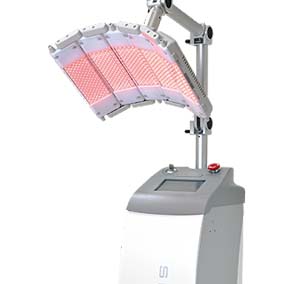
      Hyperbaric oxygen therapy, Smart Lux, nutritional infusions, and more— leveraging Cutting-edge medical equipment to enhance your recovery

    Remarkable Transformation

    RE:FACE

    DENTAL HOSPITAL

    3D MULTI-PIECE

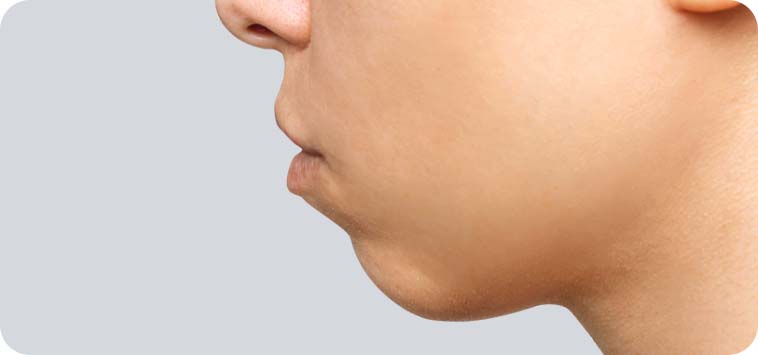
  • What is a Microgenia?

    A receded chin refers to a condition in which the mandible is relatively smaller than the maxilla or is positioned posteriorly, causing the mouth and chin to appear retruded.
    The dental midlines may not align, and the face may not appear slender In severe cases, functional problems such as temporomandibular joint disorder, headache, decreased masticatory function, and speech impairment may accompany it requiring orthodontic treatment or surgery.

    Surgical methods for micrognathia by type
    Method 01

    When only the chin is retruded

    The overall facial contour is normal, but the tip of the lower jaw (chin) is small or retruded. The chin bone is cut and moved forward or lengthened to adjust the face's natural proportions.

    Method 02

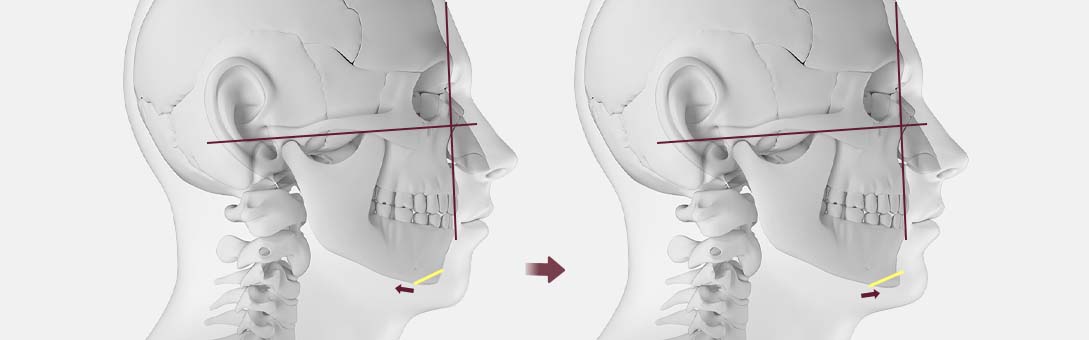
    The entire lower jaw is retruded

    Not only the chin tip but the whole lower jaw is small or pushed back, causing imbalance across the jawline; this can affect dental occlusion in addition to aesthetic concerns. The lower jawbone is osteotomized and advanced as a whole. When not only the mandible but also the maxilla needs adjustment, the positions of the maxilla and mandible are adjusted together to correct facial proportions and functional problems simultaneously.

    Method 03

    Severe micrognathia

    A condition in which the jaw is structurally underdeveloped, potentially accompanied by both aesthetic and functional problems (masticatory dysfunction, speech disorders, etc.). Through double-jaw surgery, not only the position of the mandible but also the position and angle of the maxilla are adjusted together to carry out an overall reconstruction. In cases of severe bone deficiency, autogenous bone (the patient's own bone) is harvested and grafted to the jaw area to augment the jawbone.

    Before & After
    Before & After photos of double-jaw surgery by type
    Microgenia surgery procedure
    • Procedure 01

      Initial consultation and preoperative examination

      After 1:1 detailed consultation and treatment plan confirmation
      Provisional surgery date reservation and preoperative examination

    • Procedure 02

      3D simulation and surgical planning

      After 3D CT imaging and simulation, detailed consultation with the director
      Determination of patient-customized surgical approach

    • Procedure 03

      Surgery procedure

      Following staff guidance, fasting and admission
      Surgical preparation and surgery execution

    • Procedure 04

      Post-discharge follow-up

      Discharge 2-3 days after surgery depending on progress
      Weekly follow-up after discharge, additional orthodontic treatment if needed

    • Procedure 05

      Aftercare

      Hyperbaric oxygen therapy, Smart LUX, nutritional IV, etc.
      Recovery promotion using specialized treatment equipment

    Remarkable Transformation

    RE:FACE

    DENTAL HOSPITAL

    3D MULTI-PIECE

  • What is a long face?

    A long face refers to a condition in which the vertical length of the face is greater than the horizontal width.
    This can make the overall facial proportions appear unbalanced, In severe cases, masticatory dysfunction, speech problems, and temporomandibular joint discomfort may occur May be accompanied by various functional problems, Surgical correction is often required.

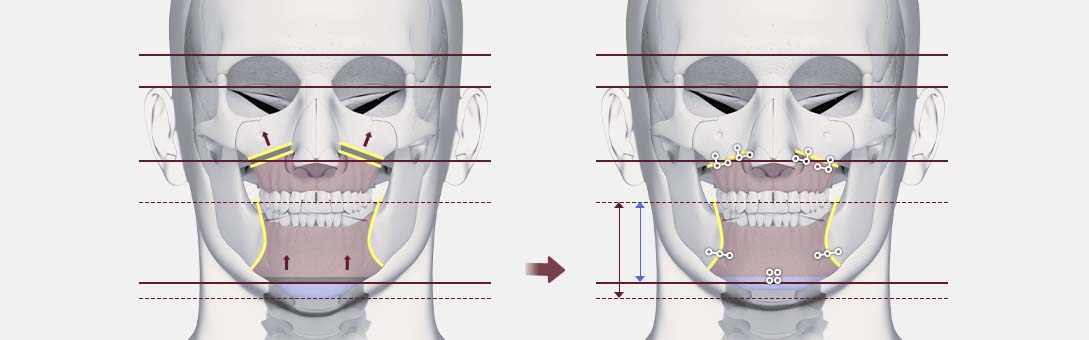
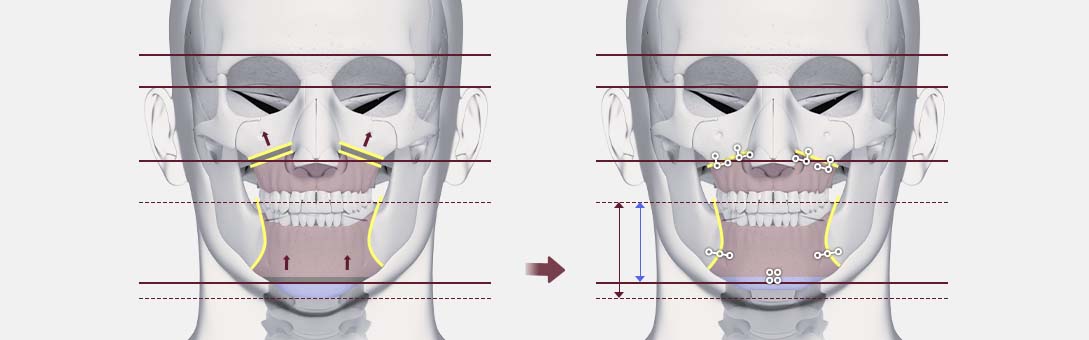
    Surgical methods for long-face types
    Method 01

    Long maxilla and mandible

    This is when the skeletal structures of both the maxilla and mandible are elongated, causing the overall facial proportions to be excessively stretched vertically. Whether to perform maxillary (Le Fort) surgery is determined selectively based on factors such as the degree of gingival display, dental alignment, and presence of asymmetry.

    Method 02

    Face with an excessively long lower jaw

    A condition in which the length of the mandible is abnormally increased, accompanied by malocclusion and mandibular prognathism. By adjusting the length and position of the mandible, vertical length can be improved along with functional restoration of dental occlusion.

    Method 03

    Long face due to excessive development of the mandible

    Overall occlusion is normal, but the mandibular symphysis (chin) is excessively developed, giving the face a long appearance. In this case, only the tip of the mandible is resected and fixed in a normal position to improve facial length.

    Before & After
    Before & After photos of double-jaw surgery by type
    Long face surgery procedure
    • Procedure 01

      Initial consultation and preoperative examination

      After 1:1 detailed consultation and treatment plan confirmation
      Provisional surgery date reservation and preoperative examination

    • Procedure 02

      3D simulation and surgical planning

      After 3D CT imaging and simulation, detailed consultation with the director
      Determination of patient-customized surgical approach

    • Procedure 03

      Surgery procedure

      Following staff guidance, fasting and admission
      Surgical preparation and surgery execution

    • Procedure 04

      Post-discharge follow-up

      Discharge 2-3 days after surgery depending on progress
      Weekly follow-up after discharge, additional orthodontic treatment if needed

    • Procedure 05

      Aftercare

      Hyperbaric oxygen therapy, Smart LUX, nutritional IV, etc.
      Recovery promotion using specialized treatment equipment

    Remarkable Transformation

    RE:FACE

    DENTAL HOSPITAL

    3D MULTI-PIECE

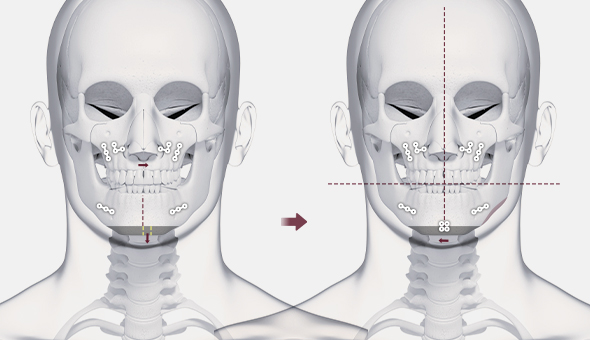
  • What is Facial Asymmetry?

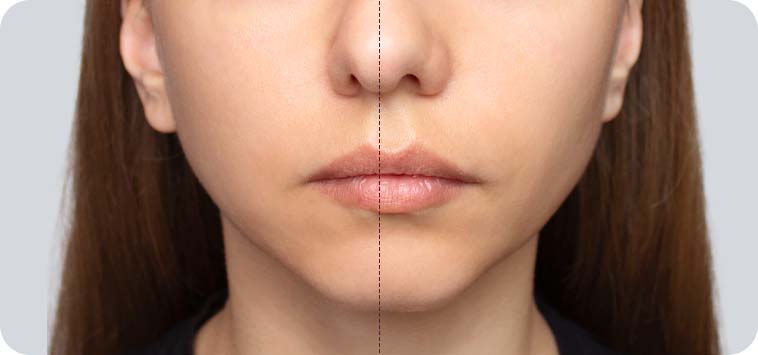
    Facial asymmetry refers to differences in the form of structures on the left and right sides relative to the facial midline, a condition in which position and function are misaligned and symmetry is not maintained.
    It can result from congenital skeletal abnormalities or abnormal mastication habits, and may lead to various functional disorders, so appropriate orthodontic treatment or surgery is necessary.

    Surgical Methods for Facial Asymmetry by Type
    Method 01

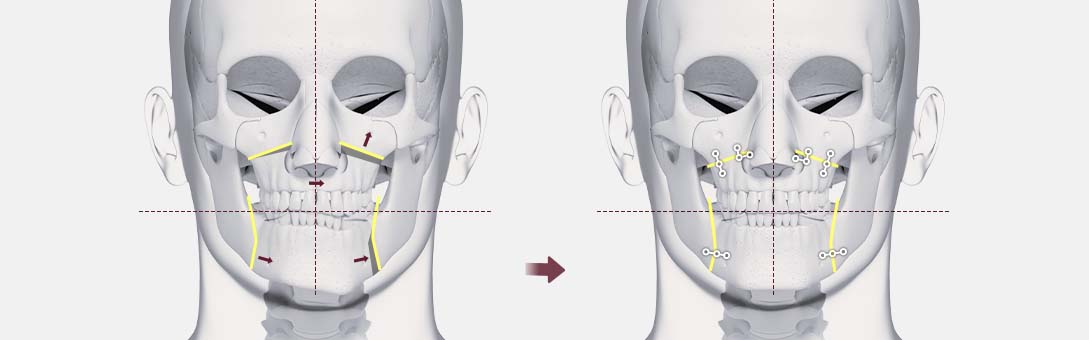
    Facial Asymmetry with Mandibular Midline Deviation

    This occurs when the lower jaw is shifted to one side, making the entire face appear asymmetric. The mandibular bone is moved left or right to align the midline, and the chin contour is corrected.

    Method 02

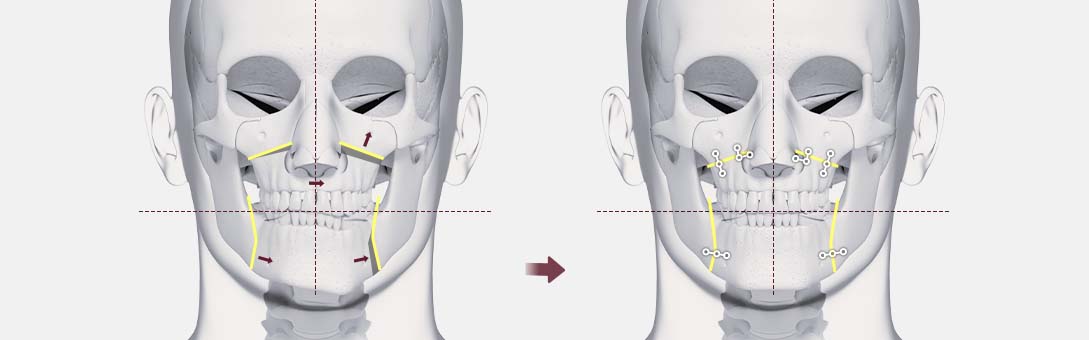
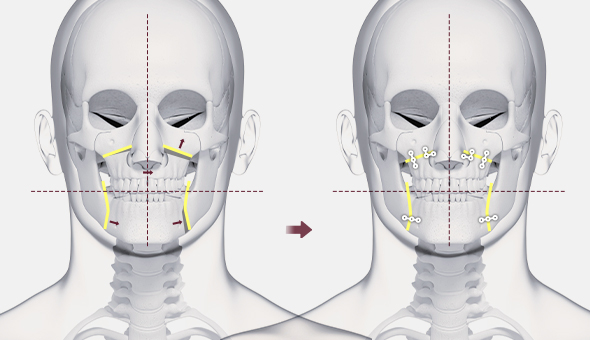
    Complex Type with Asymmetry of Both Maxilla and Mandible

    Both the upper and lower jaws have deviated midlines, with dental arches and occlusion also unbalanced. Through bimaxillary surgery, the maxilla and mandible are mobilized simultaneously to realign the facial midline and restore occlusal function.

    Method 03

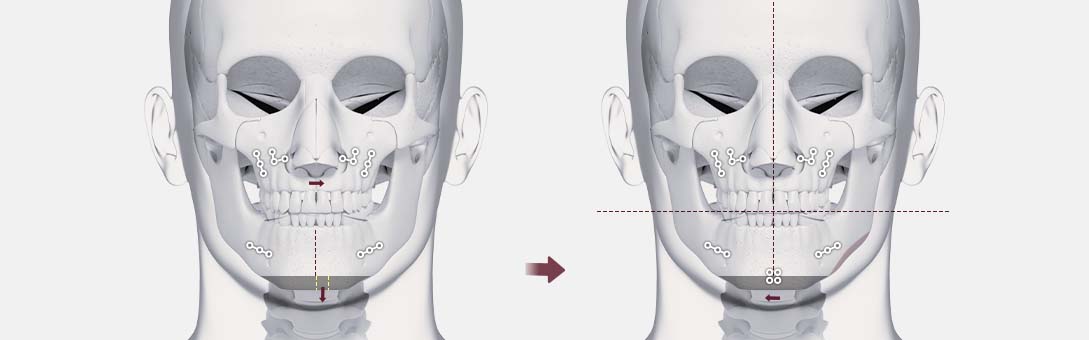
    Cases where Only the Chin is Asymmetric

    The overall jaw bones are symmetrical, but only the chin is deviated to one side. Only the chin tip is moved to the midline to correct it, and facial asymmetry can be greatly improved with a relatively simple surgery.

    Before & After
    Before & After Photos of Bimaxillary Surgery by Type
    Facial Asymmetry Surgery Process

    • Procedure 01

      Initial Consultation and Preoperative Examination

      After 1:1 detailed consultation and treatment plan confirmation,
      tentative surgery date reservation and preoperative examination are performed

    • Procedure 02

      3D Simulation and Surgical Planning

      After 3D CT imaging and simulation, and detailed consultation with the director,
      a customized surgical approach is determined for the patient

    • Procedure 03

      Surgery Procedure

      Following staff guidance, after fasting and admission,
      surgical preparation and procedure are performed

    • Procedure 04

      Post-Discharge Progress Check

      Discharge 2-3 days after surgery depending on progress,
      weekly progress checks after discharge, additional orthodontic treatment if needed

    • Procedure 05

      Aftercare

      Utilizing professional treatment equipment such as hyperbaric oxygen therapy, Smart Lux, and nutritional IV
      to promote recovery

    A Remarkable Transformation

    RE:FACE

    DENTAL HOSPITAL

    3D MULTI-PIECE

The Start Of A Perfect Recovery After Surgery!

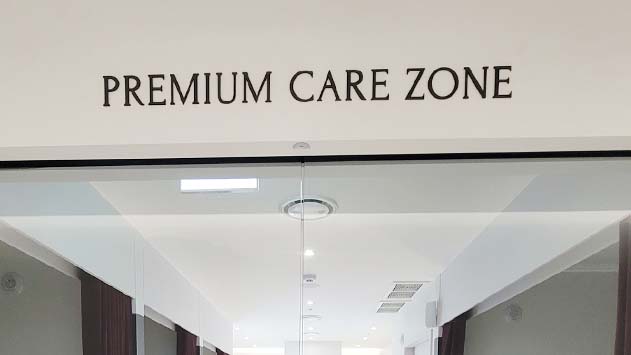
Premium Aftercare Zone

Swelling, pain, and the recovery process
can be a constant concern after orthognathic surgery.
Reface Dental Hospital provides tailored care to
patients in a premium after-care zone
equipped with experienced medical staff and advanced medical equipment.
A safe and comfortable recovery and a journey
toward a better tomorrow—ReFace Dental Hospital
stands firmly by your side until the end.

Hyperbaric oxygen therapy Hyperbaric chamber

It helps cell regeneration, cell activation, and reduces swelling & pain to promote recovery after surgery, and is also effective for overall vitality.

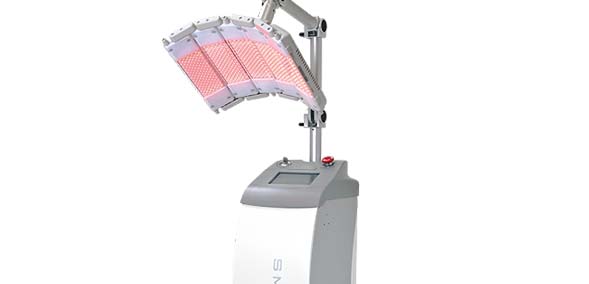
Smart LUX Smart LUX

By delivering specific wavelengths, it helps reduce swelling and bruising, aids skin recovery and wound healing, and can contribute to some anti-inflammatory effects and pain relief.

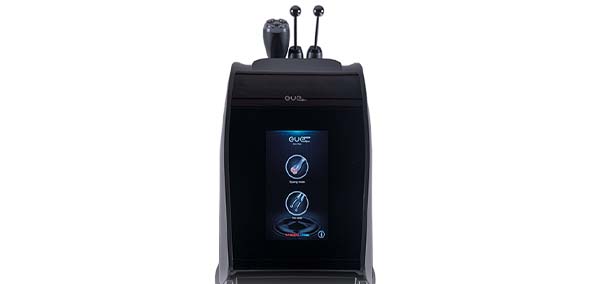
EVE Synergy EVE Synergy

With three methods—EMS low-frequency, radio frequency and microcurrent, skin elasticity is enhanced and swelling is reduced, and post-surgery muscle rehabilitation is supported.

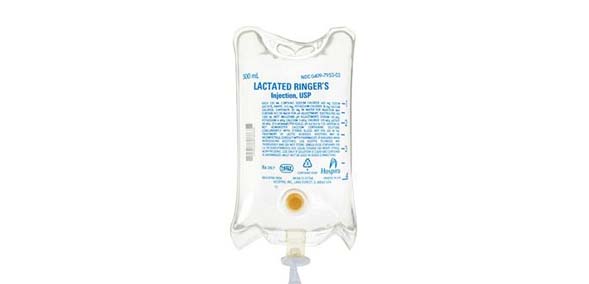
IV therapy IV therapy

For postoperative swelling control and faster recovery, customized nutritional IV fluids that are prepared are mixed.

Reason

Why ReFace
Dental Hospital Is Trusted

  • Precise and safe surgery using 3D simulation and multi-piece techniques
  • Oral and maxillofacial surgeon with many years of experience and expertise
  • The chief director oversees the entire process from consultation and surgery to post-operative care
  • Systematic post-surgical management and recovery in a premium aftercare zone

ReFace Dental HospitalDirections

  • Clinical Services

    02-6204-1004

  • Directions

    13th Floor, 138 Dosan-daero,
    Gangnam-gu, Seoul, Republic of Korea

  • Consultation Hours
    1. Mon / Fri

      AM 10:00 - PM 7:00 (Outpatient)
      AM 8:30 - PM 6:00 (Operating Room)
    2. Saturday

      AM 10:00 - PM 16:00
    3. ※ Closed on Sundays and public holidays.