Temporomandibular Joint (TMJ) Treatment

Jaw joint treatment that reduces pain and restores movement
without surgery Definition

Definition

What are temporomandibular joint disorders?

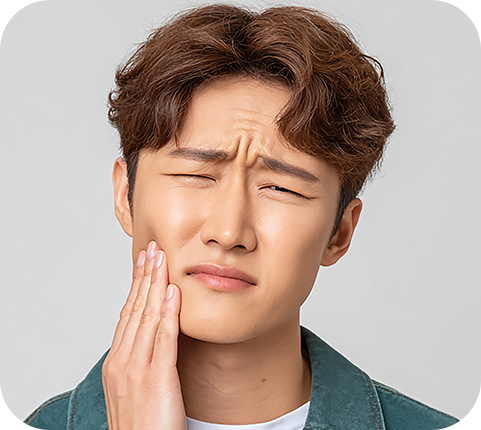
If you have pain or noise when moving your jaw, or difficulty opening your mouth wide you may suspect a temporomandibular joint disorder. Temporomandibular joint disorders go beyond mere discomfort, It is a complex disorder that can cause chronic pain, facial asymmetry, and malocclusion.

At ReFace Dental Hospital, oral and maxillofacial surgery specialists provide precise diagnoses and a variety of non-surgical treatments to help reduce TMJ pain and restore movement.

Causes of temporomandibular joint disorders

Biological factors

Genetic causes, severe malocclusion,
skeletal disharmony, trauma, etc.

Behavioral factors

Sleeping position, teeth-clenching habits, teeth grinding during sleep,
Habit of resting the jaw to one side or chewing on one side

Emotional factors

Excessive stress, depression, anxiety

Check list

Temporomandibular Joint Disorder Checklist

Jaw symptoms you've overlooked could, if left untreated, disrupt both the balance and function of your face.
If you have even one of the following symptoms, a specialist diagnosis is essential.

  • Those who experience sounds (clicking, creaking) or pain when opening their mouth or chewing
  • People who feel stiffness in the jaw (especially in the morning)
  • People who have limited mouth opening or frequent jaw dislocation
  • People who often have neck and shoulder tension and severe headaches
  • People who need TMJ stabilization before or after orthodontic treatment
symptom

Stages of Temporomandibular Joint Disorder Symptoms

01
Early Stage

There is a 'clicking' sound in the jaw but no pain.
This is the stage where disc displacement begins, Significant improvement can be achieved with anti-inflammatory treatment alone.

02
Middle stage

The jaw is painful and does not open well, and there is discomfort when chewing food.
A period in which disc displacement and muscle tension occur together At this time, treatment to reduce the load on the joint and muscles, such as anti-inflammatory injections or muscle relaxants, should be used in combination.

03
End stage

The jaw barely opens, and with severe pain it feels as if the jaw is "locked." You may feel discomfort, and there is a high likelihood of structural damage to the cartilage or bone within the joint Accompanying injuries are likely, and at this stage
improvement is difficult with non-surgical treatment alone, so after a precise diagnosis surgical treatment may need to be considered if necessary.

Treatment method

Temporomandibular Joint Treatment Methods

Temporomandibular joint treatment is a non-surgical approach that relieves pain and inflammation and
helps restore joint function through non-surgical treatment.

Prolotherapy injection (pdrn)

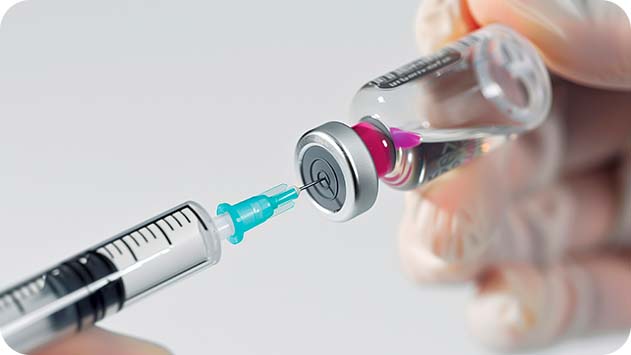
PDRN (salmon DNA) or high-concentration glucose Injecting the component into the TMJ area Helps regenerate damaged tissue and strengthen ligaments, And reduces inflammation.

Botox injection

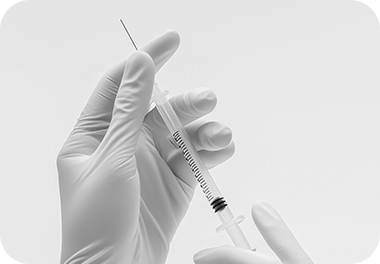
Botulinum toxin is injected directly into the muscle to reduce tension in the muscles around the temporomandi bular joint, alleviating teeth grinding, headaches, and jaw pain.

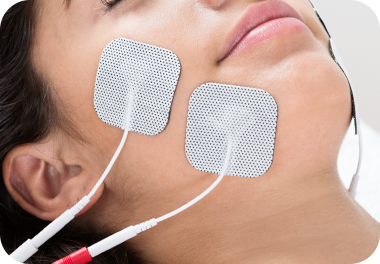
Low-frequency electrical therapy

Low-frequency electrical current to relax tightened TMJ muscles Stimulate to relieve pain and relax the muscles It is a treatment that helps.

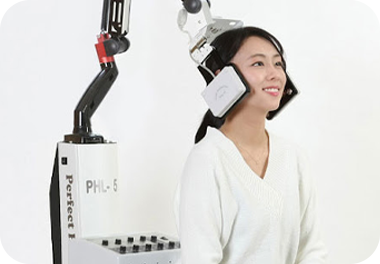
Composite stimulation infrared laser

Infrared laser promotes cellular activity and enhances blood circulation to reduce inflammation and assist tissue recovery.

Spray expansion (cold therapy)

Spray the painful area with a cold spray to cool and relax the muscles, providing immediate pain relief.

Don't worry about pain during the procedure!

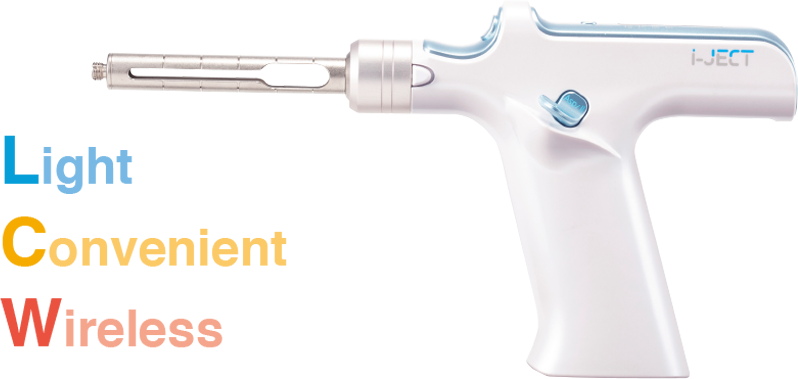
At ReFace Dental Hospital, we use the ultra-precise painless injector
"iJect" for Botox procedures.

  • Use of ultra-fine needles

    Thinner needles than standard syringes to minimize skin irritation

  • Uniform pressure spray

    Medication injected without stinging through pressure control during injection

  • Perceived actual pain reduction

    Most treated patients rated it as "almost no pain"

Procedure

Temporomandibular Joint Treatment Procedure

  • Procedure 01

    Initial medical history and oral and maxillofacial examination

    Based on jaw movement, pain location, joint sounds, etc. Diagnosis and treatment planning

  • Procedure 02

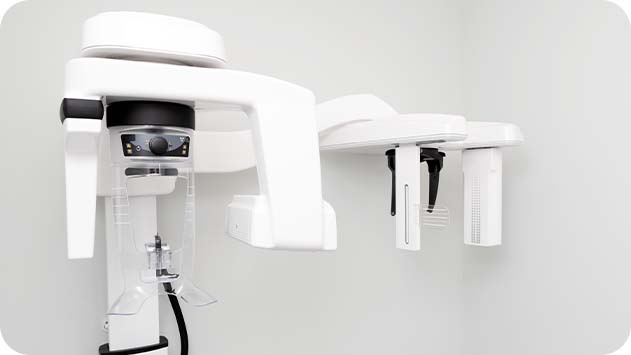
    Detailed diagnosis and imaging

    Through panoramic or X-ray imaging Check disc position and joint condition

  • Procedure 03

    Perform temporomandibular joint injection procedure

    Depending on symptoms, anti-inflammatory agents, Botox, Administer injections, selecting muscle relaxants as needed

  • Procedure 04

    Guidance on lifestyle habits and self-exercises

    Jaw-use habit correction, stretching, and heat therapy, etc. Provide daily self-care methods

Prevention

Preventing Temporomandibular Joint Disorders

Small daily habits are the beginning of protecting jaw joint health.
Consistently practice the following four things.

Method 01

Avoid hard or tough foods Avoid hard or tough foods

Foods that require excessive force to chew put strain on the jaw joint. Avoid squid, gum, jerky, etc., and stick to soft foods.

Method 02

Correct the habit of chewing on only one side

Habitually chewing on one side without noticing disrupts the balance of the jaw. Consciously correct the habit by chewing evenly on both sides.

Method 03

Avoid resting your jaw on your hand and sleeping with your mouth open

Holding your chin or having a crooked jaw posture applies continuous pressure to the temporomandibular joint. Also, sleeping with your mouth open causes the jaw muscles to become abnormally tense. Correct posture and sleeping habits are critical.

Method 04

Stress management and sufficient rest Stress management and sufficient rest

Stress can lead to the unconscious habit of clenching the jaw which can cause teeth grinding and jaw clenching. Adequate rest and psychological stability are necessary. If necessary, Botox or mouthpiece (splint) treatment can relieve muscle tension.

RE:FACE

DENTAL HOSPITAL

Temporomandibular joint disorders can progress to chronic pain
if left untreated.

Recover from everyday discomfort easily with Riface temporomandibular joint treatment!

Specialist care

Oral And Maxillofacial Surgery Specialist Consultation

Even minor symptoms of oral disease can lead to major issues if left untreated

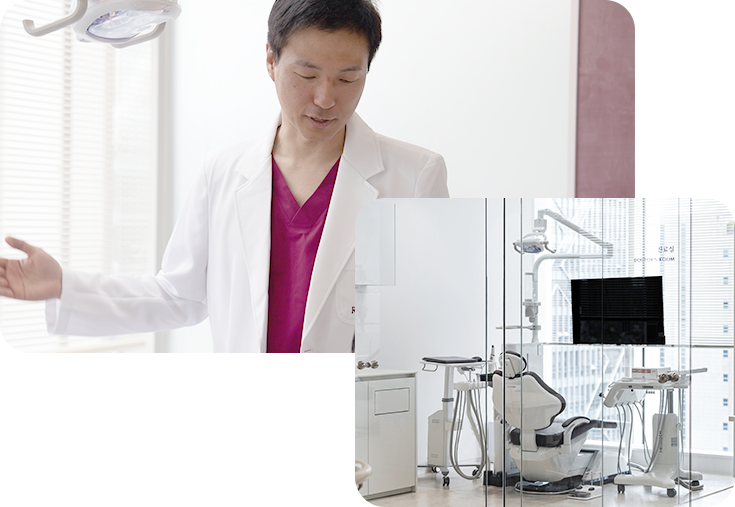
At Reface Dental Hospital, an oral and maxillofacial surgery surgeon with extensive experience provide direct care, and accurately identify the cause of the symptoms and determine the oral structures and issues specific to the patient. We develop a personalized treatment plan tailored to the patient's oral structure and symptoms.

Based on expertise and proficiency, from the beginning of oral health through recovery, we provide patient-centered, meticulous care throughout the entire process.

Reason

Why ReFace
Dental Hospital Is Trusted

  • Oral and maxillofacial surgeon with many years of experience and expertise
  • Provides a safe clinical environment through a thorough infection control system
  • Precise diagnosis using the latest digital equipment
  • Comfortable treatment with a pain-reducing painless anesthesia system

ReFace Dental HospitalDirections

  • Clinical Services

    02-6204-1004

  • Directions

    13th Floor, 138 Dosan-daero,
    Gangnam-gu, Seoul, Republic of Korea

  • Consultation Hours
    1. Mon / Fri

      AM 10:00 - PM 7:00 (Outpatient)
      AM 8:30 - PM 6:00 (Operating Room)
    2. Saturday

      AM 10:00 - PM 16:00
    3. ※ Closed on Sundays and public holidays.